In Indianapolis, we see a consistent pattern: the glacial geology that gives us reliable bearing soils also creates real headaches for water management in deep foundations. The mix of Wisconsin-age till overlying sand and gravel outwash along the White River means permeability can swing from nearly impermeable to highly conductive within the same project site. We run Lefranc tests in soil and Lugeon tests in the upper bedrock—typically Mississippian limestone with solution features—to get actual field K-values rather than guesstimates from grain-size correlations. These numbers feed directly into dewatering plans for excavations along Massachusetts Avenue or near the canal walk, where controlling groundwater is make-or-break for schedule and safety. A proper field test program, backed by triaxial permeability testing on Shelby tube samples, gives the design team confidence in the cutoff depths and pump sizing before a shovel hits the ground.
A single Lugeon test in fractured limestone can reveal more about real water inflow than a hundred grain-size curves run in the lab.
Methodology and scope
- Variable-head Lefranc testing in soil (ASTM D6391 compliant)
- Constant-head Lugeon packer testing in bedrock (following USBR 6510 procedures)
- Multi-stage testing to isolate fractured zones from competent rock mass
- Integration with borehole geophysics for fracture mapping
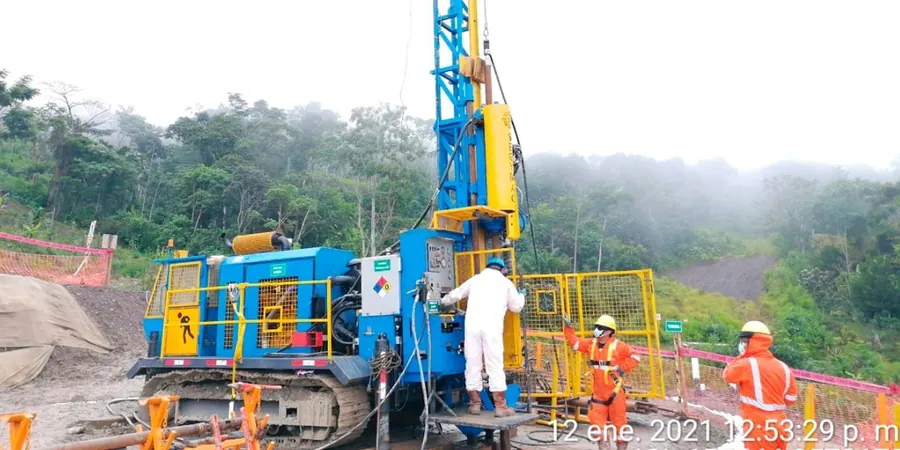
Local considerations
Comparing two areas of Indianapolis tells the story: a project up in the Nora area sitting on thick Wisconsin till might show K-values below 1 × 10⁻⁶ cm/s—effectively watertight for practical excavation purposes. Move south toward Harding Street or the old river meander scars, and the same depth hits sand and gravel outwash with K-values in the 1 × 10⁻² to 1 × 10⁻³ cm/s range—water moves fast. If you assume the Nora numbers apply downtown, you will under-design the dewatering system and flood the cut. The limestone adds another dimension: solution channels and vuggy zones in the Sanders Group can produce Lugeon values above 50, requiring grouting before excavation reaches grade. Without field permeability measurements, the risk of blowout at the base of a sheeted excavation is real, and the cost of emergency dewatering during a wet Indianapolis spring can derail a project budget fast.
Applicable standards
ASTM D6391-11 (Standard Test Method for Field Measurement of Hydraulic Conductivity Using Borehole Infiltration), USBR 6510 (Lugeon Testing in Rock Boreholes), ASCE 7-22 (Load Combinations for Earth Pressures)
Associated technical services
Lefranc Permeability Test in Soil
Variable-head or constant-head testing in boreholes, compliant with ASTM D6391. We isolate the test zone with a pneumatic packer and measure the rate of water level recovery. Typical test depths in Indianapolis range from 15 to 45 feet, targeting the granular outwash layers that control dewatering rates. Results reported as hydraulic conductivity K in cm/s, with temperature correction applied.
Lugeon Permeability Test in Bedrock
Constant-head packer testing in rock core holes following USBR 6510 procedures. We run the five-stage Houlsby pressure cycle to evaluate flow regime—laminar, turbulent, dilation, or washout. Critical for grouting design in the Mississippian limestone found beneath downtown Indianapolis, where Lugeon values above 20 typically indicate the need for curtain grouting before excavation.
Typical parameters
Frequently asked questions
What is the typical cost range for a Lefranc or Lugeon permeability test in Indianapolis?
Field permeability testing in the Indianapolis area typically runs between US$650 and US$950 per test interval, depending on depth, access conditions, and whether the test is performed in soil (Lefranc) or rock (Lugeon). Mobilization and borehole preparation are separate line items. A multi-depth test program with three to five intervals generally provides sufficient data for dewatering design.
When should I choose a Lugeon test over a Lefranc test?
The choice depends on the geological unit you are testing. Lefranc tests apply to soil and heavily weathered rock where a borehole can stand open without casing. Lugeon tests are specifically designed for competent rock, using a packer to isolate a section of the borehole. In Indianapolis, we typically run Lefranc tests in the glacial drift and granular outwash above bedrock, and switch to Lugeon once we penetrate the limestone, usually between 20 and 40 feet depth depending on location relative to the White River valley.
How long does a field permeability test take on site?
A single Lefranc test in soil typically takes 45 to 90 minutes, depending on the hydraulic conductivity of the material—silts and clays require longer observation periods. A Lugeon test with the full five-stage Houlsby cycle takes approximately two hours per test interval. For a typical investigation with three test intervals, plan on a full working day on site, including setup, testing, and demobilization.
What Lugeon value indicates that grouting is required before excavation?
The grouting threshold depends on the project's tolerance for water inflow, but as a general rule in Indianapolis limestone, Lugeon values above 15 to 20 in a 10-foot test interval suggest significant fracture connectivity that will require curtain grouting. Values above 50 indicate open channels or large solution features—common in the Sanders Group—that need targeted grout takes. The five-stage pressure cycle also helps us identify whether the flow regime is washout-prone, which affects mix design and injection pressure.